Having just emphasized why running the six steps from leading from wherever you are through a real situation is even more useful for someone without positional authority, let me explain why. Cindy and I were first introduced to John Maxwell’s work in early 2001, not long into our marriage and very s...

Be honest with yourself here because I may never know how you answer this in your own head: how often have you attended an event or a course, taken pages of notes detailing all the great ideas you had while you were there, then got slammed by all the urgencies of life the moment you got back to your...

Naming the adversity for what it is, finding whatever seed we can draw from it, and owning the role we played in how it happened starts the process. If we stop there, though, we’ll stand little chance of ever capturing the greater opportunity available from it. And that leaves us with nothing more t...
The earliest adversities I detailed through this process didn’t just serve as a foundation for learning to hone each of Hill’s leadership attributes, those initial struggles played a pivotal role in me even understanding how necessary looking for the hidden seed really is. Without coming to terms wi...

Since starting Dove Developing & Consulting in 2015, Cindy and I have focused heavily on providing leaders, not just folks carrying supervisor or manager titles, with tools that can apply immediately to earn influence with the teams they’re responsible for so they can achieve measurable results. We ...

I kicked all of this off by sharing how close I came in my late teens to tangling with a giant oak tree just a few miles from where we live today. Just after that, I shared the two conversations I had while mulling the idea behind Making the Best of YOUR Bad Situations, and one the men followed up o...

I’ve been very intentional about sticking to a timeline, with the exception of the overlap between how global disruptions forced us to adapt through unforeseeable situations and how we had to take a firm stand in defending the vulnerable during that stretch. My goal in following that step-by-step pr...
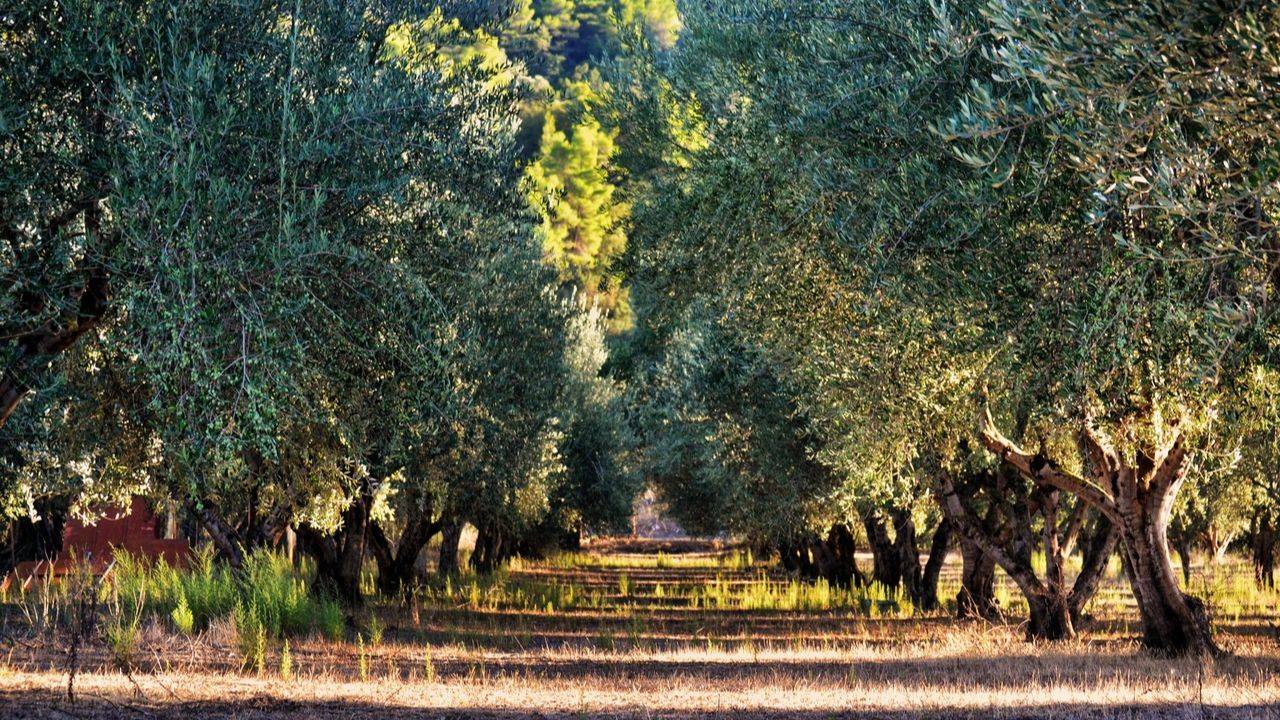
To be sure I’m pounding the drum as hard as I can, here it is again: “Every adversity, every failure, every heartache carries with it the seed of an equal or greater benefit.” That statement only becomes true when someone finds the seed and does the work. The eleven attributes we’ve worked through a...

If you pressed me to nail down one specific moral to this story, it would be to expect the best while preparing for the worst. I don’t say to be negative, we can find plenty of doom and gloom by simply tuning into anything calling itself news. The reality is that there will never be a perfect time f...

For those of us who are fast-paced and task-oriented, those high D’s if you’re familiar with the DISC Model of Human Behavior, slowing down long enough to truly reflect on an adversity is tough enough. Sitting still to search for every possible seed to equal or greater benefit hidden within it can b...

Seeds from each adversity grow strongest when we keep sowing after the dramatic chapter ends. Leadership attributes do not mature in a single crisis; they compound when we refuse to treat the latest setback as the last word. As we hone each attribute through individual, and often smaller adversities...

I need to be completely transparent here: sharing each individual adversity through this process of challenging you to make the best of your bad situations has been one of the most awkward things I’ve ever done. I’ve said repeatedly that I know mine pale in comparison to what I’ve seen so many othe...